
Key Takeaways
- Significance of efficient drainage project organization
- Essential elements of a drainage strategy
- Preliminary drainage organization tactics
- Instruments and methods for drainage organization
- Consequences of insufficient drainage organization
- Function of a drainage engineer in project organization
Importance of Effective Drainage Project Planning
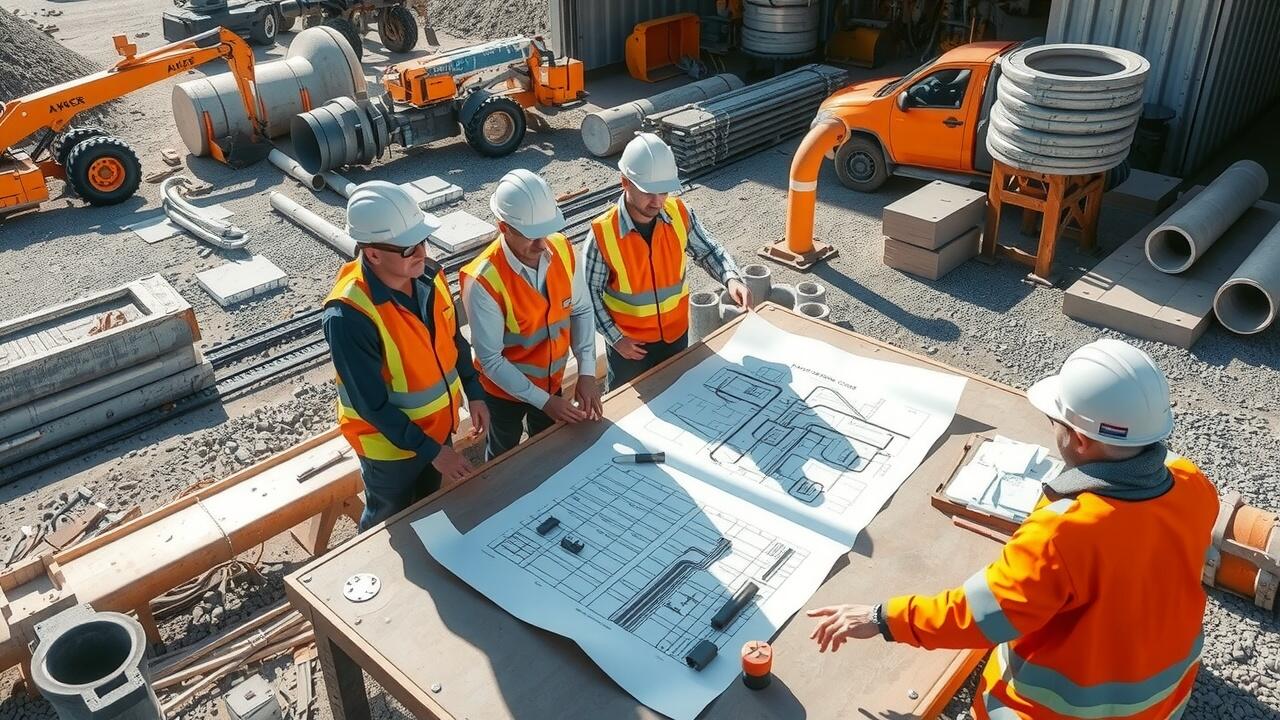
Effective drainage project planning is crucial for the development of efficient drainage systems that address specific drainage areas and patterns. A well-structured drainage plan ensures that stormwater management practices are seamlessly integrated into the overall infrastructure, promoting sustainable drainage systems (SuDS). Understanding the characteristics of the drainage basin helps in designing a system that mitigates flooding, prevents soil erosion, and enhances water management. Poor drainage project planning can lead to significant issues such as sewer overflow and inadequate storm drainage, emphasizing the importance of thorough preparation. Comprehensive drainage project planning lays the groundwork for resilient and sustainable solutions that safeguard communities against water-related challenges.
Overview of Drainage Systems
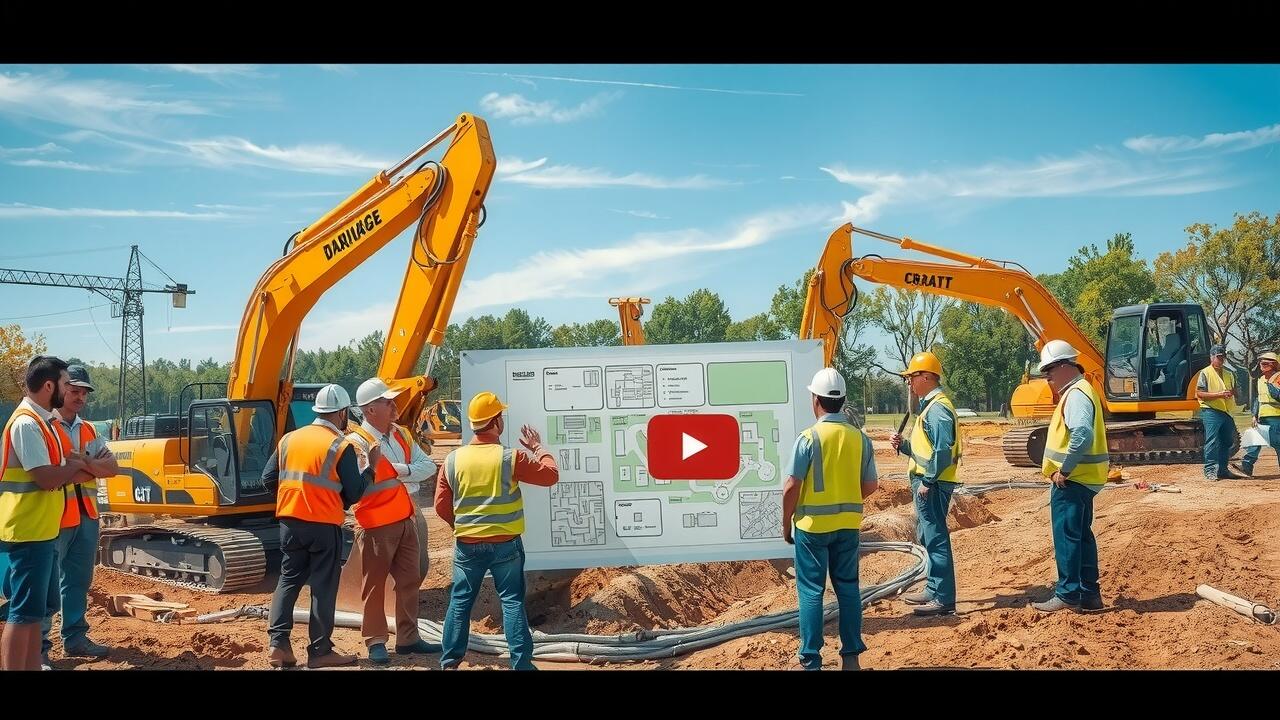
Drainage project planning encompasses various systems designed to manage water effectively across a landscape. Subsurface drainage plays a crucial role in this process, as it reduces excess moisture in soil layers, preventing issues such as flooding. A stormwater management model helps engineers design and analyze storm sewers, storm drains, and basins to direct flow away from critical areas. Understanding the functionality of these systems is vital for ensuring efficient water management within a watershed area.
Engineering practices such as hydraulic engineering inform the development of effective drainage systems. Properly designed embankments and storm sewers minimize the risk of flooding in urban settings. Timely drainage project planning can lead to enhanced stormwater management, allowing for better control of water influx during periods of heavy rainfall. It is essential for engineers to integrate these systems into comprehensive plans to mitigate potential flooding and promote sustainable land use.
Benefits of Proactive Drainage Planning
Proactive drainage project planning is essential for managing water flow and optimizing waterways. By addressing potential issues before they escalate, engineers can implement measures such as strategic dam placements and effective stormwater systems. This foresight not only improves flood control but also enhances the overall hydrology of a watershed. Efficient drainage project planning mitigates flood risks, allowing communities to maintain their infrastructure and reduce the costs associated with environmental cleanup.
Effective planning also promotes sustainable development by integrating ponds and other natural features into drainage systems. This approach enhances aesthetics while improving the management of stormwater. Recognizing the importance of flood risk assessment early in the planning process can lead to innovative solutions that ensure long-term resilience. Stakeholders benefit from collaboration that leverages expertise in drainage project planning, resulting in systems that adapt to changing climate conditions and population growth.
Key Components of a Drainage Plan
A comprehensive drainage plan incorporates several essential components that are crucial for successful drainage project planning. Key elements include the analysis of watersheds and their hydrologic characteristics, which help in understanding how water runoff behaves during rainfall events. Hydraulics play a vital role in determining the flow of water through channels, rivers, and infrastructure, enabling effective management of flood risk. Utilizing hydrologic models assists in predicting flood events and optimizing drainage systems. This is particularly important for areas subject to the national flood insurance program, as it ensures that both wetland areas and urban developments are adequately protected from potential water accumulation. Effective drainage project planning must consider the implications of runoff models to mitigate the adverse effects of flooding on communities and ecosystems alike.
Elements of Drainage Plans
A comprehensive drainage plan is essential for addressing project-specific drainage needs and ensuring effective drainage planning. Key elements include a detailed soil survey to assess the characteristics of the land, which informs the design of the drainage system. Evaluating water quality is crucial as it impacts both the environment and the functionality of the drainage project. Proper drainage planning incorporates these assessments to create a robust framework that guides project drainage throughout all phases of implementation.
Another critical aspect of drainage plans is the identification of potential problem areas such as flood zones or areas with poor drainage pathways. Early drainage planning allows for the integration of innovative solutions tailored to specific site conditions. Engaging in thorough drainage project planning helps to avoid common pitfalls and ensures that the drainage plan meets state and local regulations. Utilizing expert drainage planning services can enhance the overall effectiveness of the project, ultimately fostering sustainable land management and preserving water quality.
| Element | Description | Importance |
|---|---|---|
| Soil Survey | Analyzes soil types and characteristics | Informs design decisions for effective drainage |
| Water Quality Evaluation | Assesses the impact of drainage on environmental health | Ensures compliance with environmental regulations |
| Problem Area Identification | Locates flood zones and drainage issues | Facilitates proactive solutions in design |
| Regulatory Compliance | Ensures plan meets state and local guidelines | Avoids legal issues and enhances project viability |
| Expert Consulting | Involves specialists in drainage planning | Improves project outcomes and sustainability |
Developing a Master Drainage Plan
Creating a master drainage plan requires comprehensive drainage project planning that takes into account all aspects of the area. Effective area drainage plans should be drafted to address specific local conditions, which helps to form a complete drainage plan. This proactive drainage planning approach ensures that potential challenges are identified early on, leading to the development of a solid drainage design and robust drainage infrastructure design. Regular project drainage reports should be generated to assess progress and adjust strategies as needed, maintaining alignment with the ultimate goals of the master drainage plan.
Careful drainage planning is vital for effective drainage management across various sites. Each project drainage report serves as a valuable tool in monitoring the execution of the master drainage plan. Ensuring that the area drainage plan aligns with local regulations and environmental standards is crucial for successful implementation. A good drainage design not only mitigates flooding risks but also enhances the overall sustainability of the community. Through diligent oversight and strategic adjustments, a master drainage plan lays the groundwork for long-term water management solutions.
Early Drainage Planning Strategies
Effective early drainage project planning is crucial for the successful establishment of strategic drainage infrastructure. A well-engineered drainage plan addresses current drainage needs and anticipates future drainage needs, ensuring that all requirements are met from the outset. Engaging drainage contractors during the planning phase facilitates the integration of drainage infrastructure into the broader project design. A well-thought-out drainage plan minimizes the risk of neglecting drainage planning, which can lead to complications if adjustments are needed during construction. By prioritizing a detailed drainage plan mid-construction, stakeholders can avoid costly delays and maintain project timelines, allowing for a well-executed drainage plan that effectively mitigates potential issues.
| Strategy | Description | Benefits |
|---|---|---|
| Site Assessment | Conducting a thorough analysis of the site to understand existing drainage conditions. | Identifies potential drainage issues early on, allowing for proactive solutions. |
| Engagement of Experts | Involving drainage contractors and engineers in the planning phase. | Ensures that the design incorporates practical drainage solutions based on experience. |
| Future-Proofing | Designing drainage systems that can adapt to future changes in land use. | Reduces the need for modifications later, saving time and resources. |
| Regulatory Compliance | Adhering to local regulations and guidelines for drainage systems. | Avoids legal issues and ensures that the project meets required standards. |
Importance of Initiating Drainage Planning Early
Early initiation of drainage project planning is crucial to ensure that drainage facilities are designed to effectively manage water flow within urban environments. Proper urban drainage design allows for the integration of innovative drainage solutions tailored to specific needs. A well-prepared drainage report that anticipates potential drainage issues enables stakeholders to make informed decisions. Engaging with a drainage engineer at the onset helps create a compliant drainage plan that aligns with regulatory standards and sustainability goals.
Starting drainage project planning early also facilitates a comprehensive assessment of existing traditional drainage infrastructure. This proactive approach leads to the identification of necessary upgrades or the development of customized drainage solutions that can enhance the overall efficiency of drainage systems. By addressing potential challenges before they escalate, planners can ensure they maintain drainage systems effectively and implement necessary interventions promptly. A strategic plan developed early on sets the foundation for successful drainage outcomes and the longevity of urban environments.
Identifying Potential Issues through Early Planning
Early stages of drainage project planning are crucial for uncovering potential issues that may hinder the effectiveness of modern drainage systems. By assessing the pre-development drainage area, planners can identify drainage problems that could affect drainage systems downstream. Effective drainage solutions must consider factors such as soil type, existing topography, and land use to ensure proper drainage systems are in place. Engaging a knowledgeable drainage contractor during this phase can provide valuable insights into modular drainage systems and their integration into the overall design.
Proactive evaluation of potential drainage impacts allows for the mitigation of risks before they escalate into significant challenges. Through the early planning process, stakeholders can optimize the layout of drainage ways, ensuring that they work cohesively with the landscape. This foresight promotes the development of sustainable drainage practices that are not only effective but also resilient. By addressing these issues early on, drainage project planning becomes a strategic endeavor aimed at fostering long-term solutions for efficient water management.
Tools and Techniques for Drainage Planning
Effective drainage project planning necessitates the use of advanced tools and techniques to ensure successful implementation. Utilizing drainage planning software allows for the simulation of various drainage flow paths and the analysis of tricky drainage schemes, which is essential for managing small drainage areas. Proper drainage measures should be assessed in light of current drainage regulations to prevent drainage system failures. Open drainageways and off-site drainage options also must be evaluated to optimize the overall effectiveness of the drainage system. Collaboration with drainage specialists can enhance understanding of off-site drainage patterns, leading to a well-structured master drainage plan that mitigates potential issues before they arise. Proper drainage system design ultimately safeguards against environmental impacts and promotes sustainable land use.
Utilizing Drainage Planning Software
Effective drainage project planning relies heavily on advanced software tools. These programs analyze the entire drainage basin, allowing engineers to evaluate surface drainage patterns and identify potential storm drainage outlets. By modeling how water flows downstream, they can foresee any unresolved drainage issues that may arise from inadequate drainage. This proactive approach ensures that the planning section adequately addresses both the current and future drainage needs of a given community, ultimately protecting downstream drainage structures from overload and failure.
The integration of drainage planning software can streamline the design process within the project area. By providing detailed simulations and visualizations, these tools help professionals understand the impact of various drainage solutions on the overall drainage basin. This technological approach not only enhances the accuracy of the project planning section but also significantly reduces the risk of poor drainage outcomes. Ultimately, effective software use fosters comprehensive planning that mitigates the potential for flooding and ensures a sustainable drainage system in the long term.
Innovative Drainage Solutions for Effective Management
Effective drainage project planning incorporates innovative solutions that address the complexities of modern construction projects. A focus on offsite drainage can significantly reduce the risk of unexpected drainage complications during the execution of excavation projects. For instance, integrating advanced storm sewer design with efficient drainage inlets enhances stormwater management plans. These strategies not only improve the performance of traditional pipe drainage systems but also ensure that pre-existing drain/sewer infrastructures are optimized.
The formulation of project-specific hydrology is essential for innovative drainage solutions. By utilizing advanced modeling techniques and data analytics, engineers can anticipate potential challenges and thereby develop robust drainage project planning. This proactive approach helps in adapting to varying site conditions, ensuring that each construction project meets regulatory requirements and minimizes environmental impacts. Utilizing innovative methods will contribute to the overall effectiveness of drainage management, leading to successful project outcomes.
- Enhanced accuracy in hydrology modeling reduces the likelihood of overflow issues.
- Implementation of green infrastructure techniques promotes sustainable drainage practices.
- Advanced materials and technologies increase the longevity and durability of drainage systems.
- Real-time monitoring systems allow for immediate detection of drainage problems.
- Collaboration with local environmental agencies ensures compliance with regulations.
- Training for project teams on innovative drainage solutions maximizes efficiency.
- Utilizing community feedback in planning improves local acceptance and support.
Impact of Inadequate Drainage Planning
Neglecting proper drainage project planning leads to a cascade of issues that can significantly impact both the environment and the success of construction efforts. Recent projects have shown that deficiencies in drain and sewer systems can result in costly delays and extensive excavation work to correct improperly designed stormwater management facilities. Without proper stormwater plans, project sites may struggle with flooding, causing detrimental effects on the surrounding areas and complicating river analysis systems. Comprehensive drainage project planning is crucial to ensure that stormwater facilities design aligns with project feasibility studies, thereby addressing potential concerns before they escalate. Ultimately, a well-structured plan area is essential for the successful build projects and effective stormwater management that stakeholders expect.
- Improper drainage can lead to flooding risks and water damage to buildings and infrastructure.
- Poorly designed systems may cause erosion and destabilization of soils in the surrounding areas.
- Inadequate planning can increase long-term maintenance costs due to frequent repairs and modifications.
- Environmental impact can include harm to local ecosystems and water quality deterioration.
- Delays in construction schedules may arise from unexpected drainage issues, costing time and resources.
- Regulatory compliance failures might result in fines or project shutdowns from oversight agencies.
- Lack of foresight in drainage planning can diminish stakeholder confidence and project credibility.
Consequences of Neglecting Drainage Planning
Neglecting drainage project planning can lead to significant complications in construction areas. Ineffective stormwater management systems may not adhere to the stormwater management concept, resulting in non-compliance with local regulations. A project engineer overlooking these considerations may find that project schedules are severely disrupted. This can escalate costs and delay timelines, especially if the hydraulic design is inadequate for the site’s topography. Without proper planning, stormwater basins may not perform as intended, leading to potential failures in managing runoff during storms.
Inadequate drainage planning can particularly impact flood-prone areas, increasing the risk of property damage and safety hazards. Gravity drainage systems might be insufficient, causing surface water to accumulate and create hazardous conditions. A comprehensive drainage project planning process is crucial for ensuring that land development projects can effectively handle stormwater. Without it, projects may struggle to comply with environmental standards and community expectations, ultimately undermining their success and longevity.
Case Studies: Failures Due to Poor Drainage Project Execution
Failures in drainage project planning can lead to significant issues in infrastructure development. One prominent example is a city that overlooked proper post-development runoff analysis. This absence of thorough planning resulted in inadequate ditch design that could not accommodate surrounding water flow. Consequently, the city faced severe flooding during heavy rains, highlighting how improper drainage poses a risk not only to property but also to public safety. The lack of foresight in establishing maintenance routes for drainage systems worsened the situation, making it difficult to manage subsequent flooding events.
Another case involved a commercial development where hydrology software was not utilized effectively during the drainage project planning phase. The engineers failed to conduct a comprehensive flood-risk assessment, leading to insufficient drains being installed. As a result, runoff exceeded expectations, causing water pooling and damaging the property. This negligence illustrates the importance of integrating thorough planning practices and modern technology to ensure that future projects are equipped to handle the water needs of their specific environments. Lessons learned in these cases emphasize the necessity for meticulous drainage project planning in avoiding similar pitfalls in the next project.
Role of a Drainage Engineer in Project Planning
A drainage engineer plays a crucial role in effective drainage project planning by ensuring that all elements are meticulously considered. This involves conducting a pre-development runoff analysis to evaluate potential water flow and its impact on the surrounding environment. Utilizing techniques like a hydrologic design series and interpreting watershed maps helps in predicting future development runoff and guiding the spillway design. An effective drainage plan must also account for the embankment protection of resulting infrastructure to mitigate flooded areas during heavy rainfall. By carefully assessing project costs and implementing proactive measures, a drainage engineer can significantly enhance the long-term viability of any new build project, safeguarding against issues that may arise from inadequate drainage management.
Conclusion
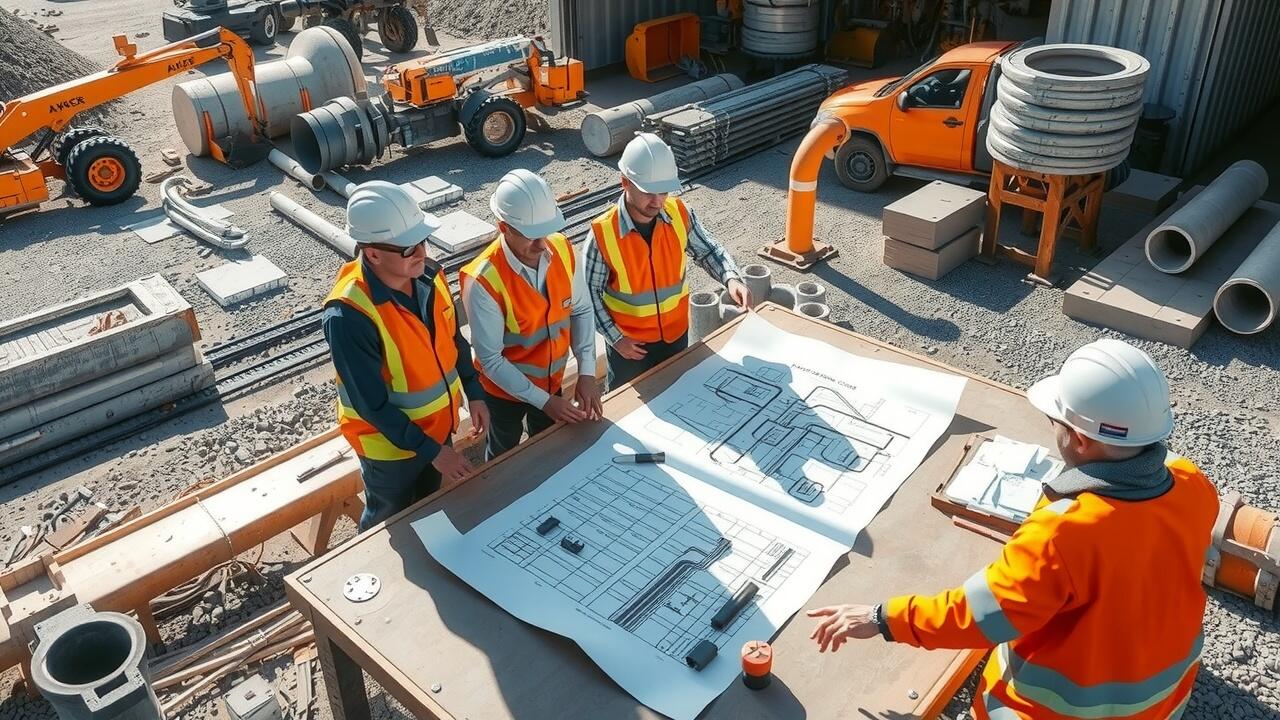
Effective drainage project planning is crucial to prevent issues like basement flooding and disruptions in construction efforts. A comprehensive project design that considers dedicated water sources, nearby waterways, and the hydrologic soil group can significantly enhance the overall success of the drainage project. By employing master planning techniques, engineers can foresee potential challenges and address them proactively, ensuring that every aspect of the project is well thought out. The integration of innovative strategies within the drainage project planning process not only mitigates risks but also aligns construction efforts with environmental sustainability, paving the way for resilient infrastructure.
FAQS
How can effective drainage planning projects enhance storm water management and fulfill community drainage requirements?
Effective drainage planning projects play a crucial role in storm water management by developing compliant drainage plans that address the current and future drainage needs of a given community. By creating master drainage plans that integrate drainage infrastructure, these projects ensure that stormwater is managed appropriately, including considerations for dams and the responsible drainage way downstream. The formulation of project complies with necessary hydrology standards to ensure a comprehensive approach to managing stormwater effectively.
How does drainage planning improve the formulation of hydrology in master drainage plans?
Effective drainage planning improves the formulation of hydrology in master drainage plans by utilizing a storm water management model that helps to manage stormwater efficiently. This approach addresses the current and future drainage needs of a given community, ensuring a compliant drainage plan—fast. Additionally, integrating drainage infrastructure is vital for meeting the drainage requirements and enhancing overall storm water management.
How does drainage planning improve the overall effectiveness of flood prevention measures in urban areas?
Effective drainage planning improves project formulation hydrology, ensuring that urban areas are better equipped to manage stormwater and reduce flooding risks.
In what ways can effective drainage planning improve environmental sustainability in urban areas?
Effective drainage planning improves environmental sustainability by ensuring efficient stormwater management, minimizing flooding, and enhancing water quality in urban areas.
How does drainage planning improve water quality management in urban environments?
Effective drainage planning improves water quality management by ensuring that runoff is appropriately captured and treated, thus reducing pollutants entering local water bodies. Proper drainage strategies can also help minimize erosion and sedimentation, contributing to healthier ecosystems and cleaner water sources.
In what ways does drainage planning improve the efficiency of urban water management systems?
Effective drainage planning improves the efficiency of urban water management systems by optimizing water flow, reducing the risk of flooding, and ensuring better distribution and treatment of stormwater.
How does drainage planning improve long-term water resource management in urban areas?
Drainage planning improves long-term water resource management by ensuring efficient runoff control, optimizing water usage, and promoting sustainable practices that balance the needs of the environment and the community.
How does drainage planning improve the resilience of urban infrastructure against flooding?
Drainage planning improves the resilience of urban infrastructure by strategically designing systems that effectively manage stormwater runoff, thus reducing the risk of flooding and ensuring a safer environment for communities.
How does drainage planning improve disaster preparedness in urban settings?
Effective drainage planning improves disaster preparedness by ensuring that urban infrastructure can handle extreme weather events, thereby protecting communities from flooding and other water-related disasters.
In what specific ways does drainage planning improve the management of existing water resources in urban settings?
Drainage planning improves the management of existing water resources by optimizing the flow of stormwater, reducing runoff, and enhancing the natural water cycle within urban areas. This approach leads to better infiltration, decreased flooding, and more effective water resource allocation, ultimately resulting in sustainable and efficient urban water management systems.